
The Future of Commercial Real Estate in NYC: Trends and Predictions
JW
The commercial real estate landscape in New York City is continually evolving, driven by technological advancements, changing work habits, and economic factors. As we look to the future, several key trends are shaping this dynamic market.
Technology and Smart Buildings
With the rise of smart technology, commercial buildings in NYC are becoming more connected and efficient. From automated lighting and climate control to advanced security systems, smart buildings offer numerous benefits. These technologies not only enhance tenant satisfaction but also reduce operational costs and energy consumption.
Furthermore, tech-driven amenities are becoming a significant factor in attracting tenants. Features such as high-speed internet, app-based building management, and integrated IoT devices are no longer optional but essential.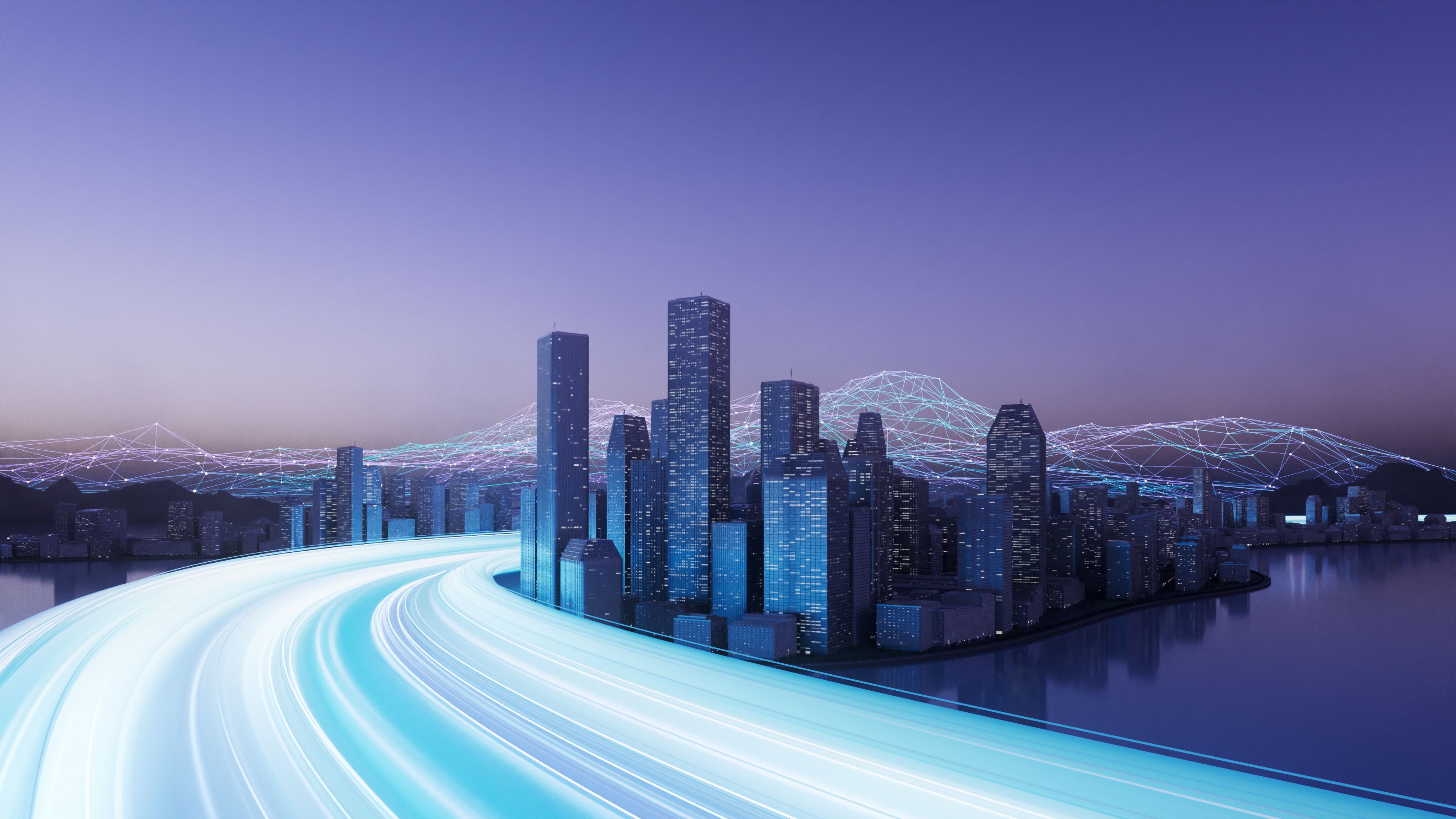
Co-Working Spaces and Flexibility
The demand for flexible office spaces is on the rise. Co-working spaces, which offer short-term leases and adaptable work environments, are gaining popularity among startups and established companies alike. This trend is expected to continue as businesses seek more adaptable solutions to accommodate hybrid work models.
Additionally, landlords are adapting to these changes by incorporating more flexible design elements into their properties. Spaces that can be easily reconfigured to meet different tenant needs are becoming increasingly valuable.
Sustainability and Green Initiatives
Sustainability is at the forefront of many commercial real estate developments in NYC. Green buildings, which incorporate eco-friendly materials and energy-efficient systems, are more attractive to environmentally conscious tenants. The push for sustainability is not only a response to tenant demand but also a way to comply with stricter regulations.
Developers are investing in green roofs, solar panels, and energy-efficient HVAC systems to reduce the environmental impact of their properties. This focus on sustainability is expected to grow as more companies commit to reducing their carbon footprint.
Retail Space Transformation
The retail sector in NYC is undergoing significant changes. Online shopping continues to challenge traditional retail spaces, leading to a transformation of how these areas are utilized. Many retail spaces are being repurposed into mixed-use developments that combine shopping, dining, and entertainment.
This shift is creating vibrant community hubs that draw visitors for unique experiences rather than just shopping. As consumer preferences evolve, retail spaces must adapt to provide more than just products.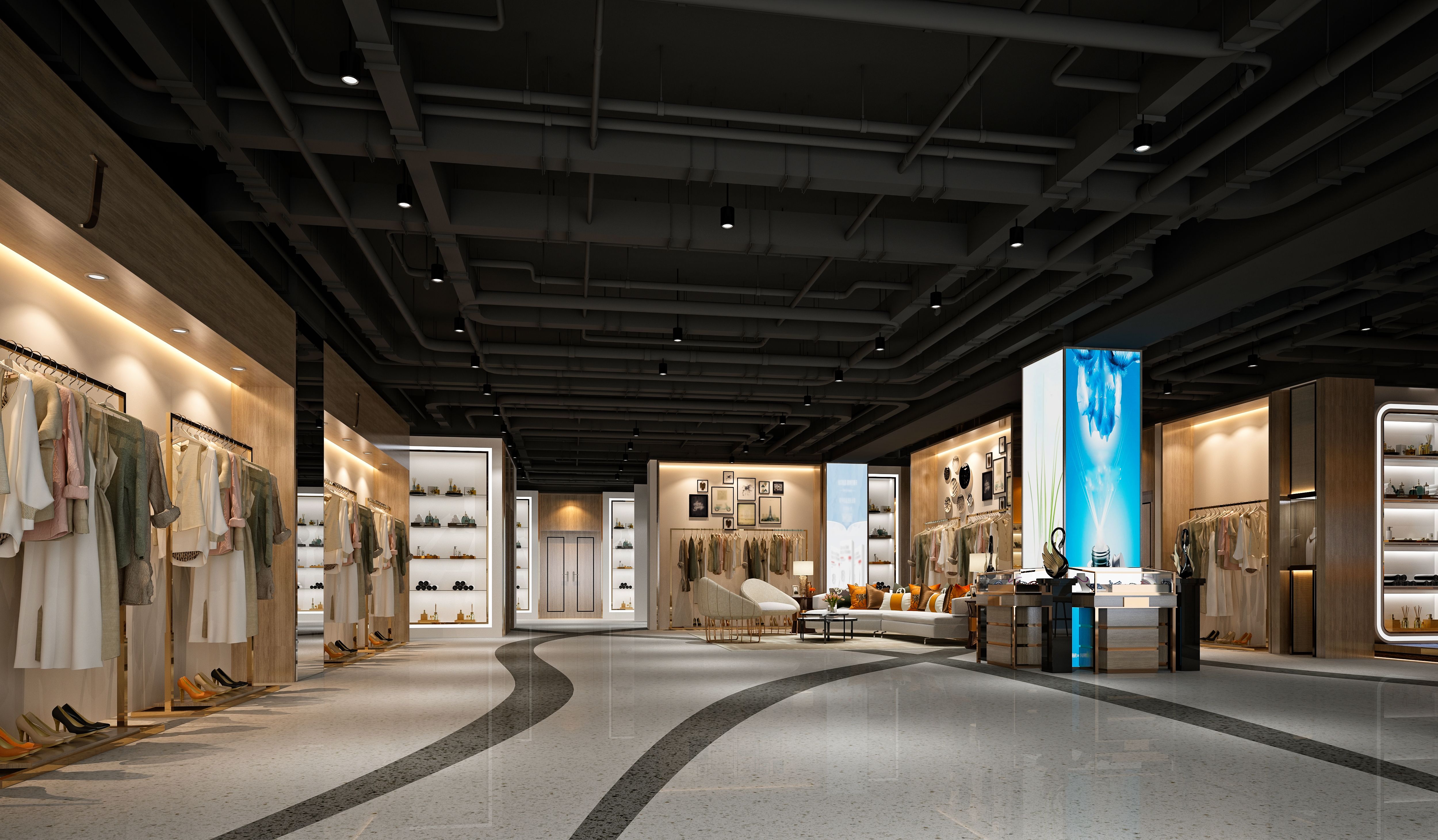
Impact of Remote Work
The rise of remote work has had a profound impact on the commercial real estate market. Companies are re-evaluating their office space needs, leading to a shift towards smaller, more flexible leases. This trend is expected to continue as businesses balance remote and in-office work arrangements.
In response, landlords are offering more attractive lease terms and amenities to retain tenants and attract new ones. The emphasis is on creating spaces that foster collaboration and innovation, even in a predominantly remote work environment.
Conclusion
The future of commercial real estate in NYC is shaped by technological advancements, evolving work habits, and a focus on sustainability. As these trends continue to unfold, stakeholders in the real estate market must adapt to meet the changing needs of tenants and the wider community. By embracing these changes, NYC can maintain its position as a leading global commercial hub.